

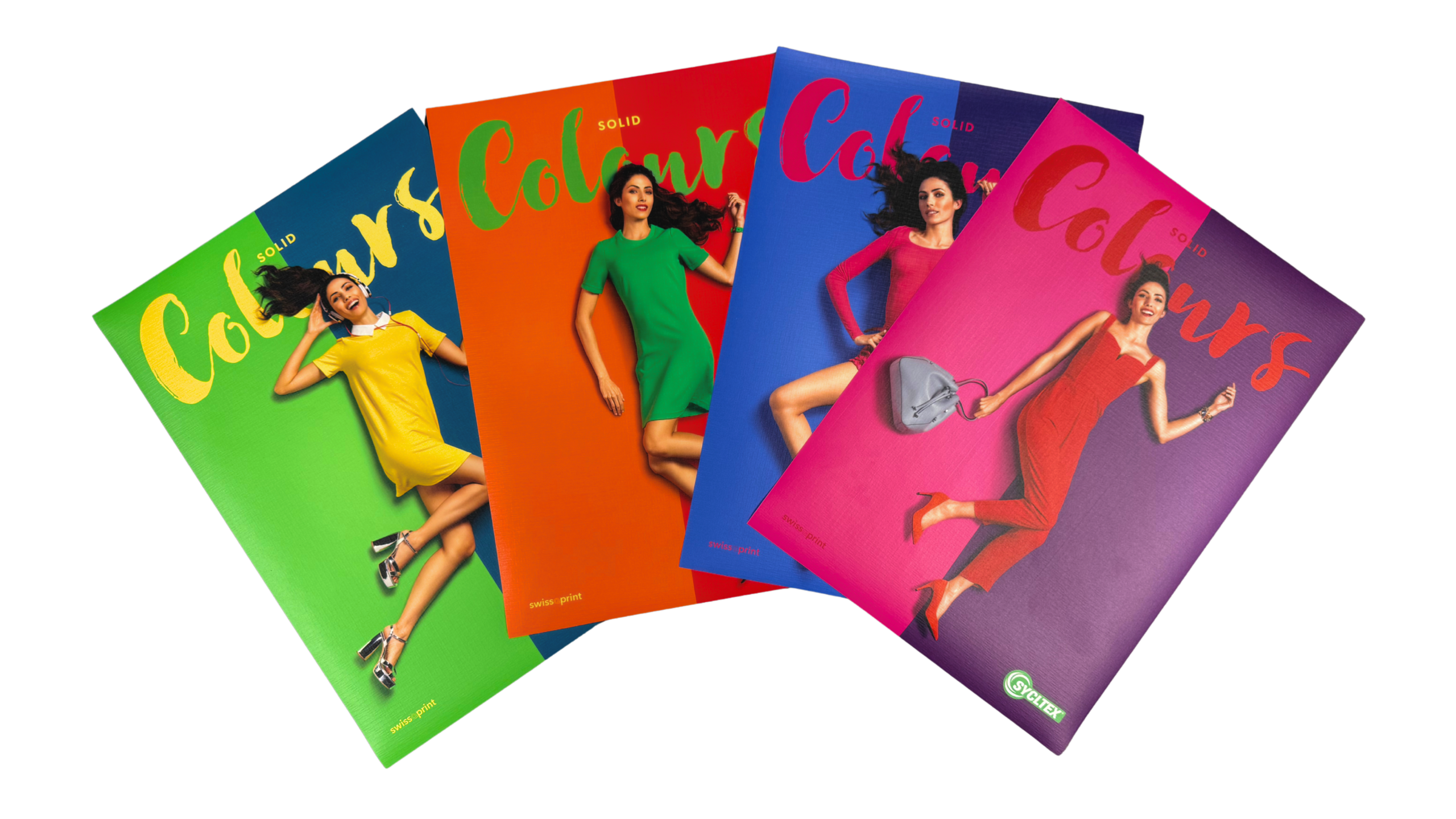
For decades, PVC has been one of the most widely used materials in wide-format printing. From banners and retail graphics to event signage and point-of-purchase displays, PVC-based media has earned its place by delivering durability, versatility, and consistent print performance across a wide range of applications.
Today, however, the conversation is beginning to expand.
As customer requirements evolve and material innovation continues to advance, printers, converters, and brand owners are evaluating additional options that can deliver the performance they expect while offering new material characteristics. The discussion is no longer about replacing one material with another—it’s about expanding the choices available for different applications.
Why Material Selection Is Evolving
Every graphics project has unique requirements. Outdoor durability, tear resistance, dimensional stability, print quality, finishing compatibility, and installation all influence which substrate is best suited for the job.
At the same time, many organizations are also evaluating their material portfolios with broader business goals in mind. Retailers, brands, and print service providers are increasingly asking what additional options are available beyond traditional PVC print media.
This shift is encouraging manufacturers to develop innovative materials that address both performance expectations and changing market demands.
Performance Still Comes First
No matter how the industry evolves, one expectation remains constant: the material must perform.
Print professionals depend on substrates that produce vibrant graphics, remain dimensionally stable during printing and finishing, resist tearing during handling and installation, and maintain a professional appearance throughout their intended service life.
For any alternative material to gain acceptance, it must first meet these demanding performance standards.
Reinforcement Creates New Possibilities
One approach gaining attention is the use of engineered reinforcement within print media.
Rather than relying solely on material thickness for strength, reinforced constructions incorporate an internal scrim or reinforcement layer that improves tear resistance and dimensional stability while maintaining excellent printability.
This engineered approach allows manufacturers to develop materials that perform reliably across a variety of graphics applications while providing customers with additional substrate options.
Where Sycltex® Fits
Sycltex® was developed with this philosophy in mind.
Its reinforced composite construction is designed to deliver the strength, durability, and print performance that wide-format printers expect while serving as a recyclable alternative to many traditional PVC print media.
Suitable for a variety of indoor and outdoor graphics applications, Sycltex offers excellent print quality, dimensional stability, and handling characteristics that help printers produce professional results from production through installation.
Rather than asking customers to compromise, Sycltex expands the range of material choices available for today’s graphics industry.
Visit Sycltex at Printing United Expo 2026
If you’re attending Printing United Expo 2026, we invite you to visit Sycltex at Booth C3560 in the North Hall & Central Hall – Level 1.
We’ll be showcasing Sycltex® and discussing how reinforced, recyclable print media is helping expand the possibilities for wide-format graphics. Whether you’re evaluating new substrates, looking to improve material performance, or simply interested in the latest innovations, we’d love to connect.
Looking Ahead
Innovation in wide-format printing extends beyond faster presses and better inks. Material technology continues to evolve as manufacturers develop new solutions for changing customer needs and application requirements.
By giving printers more choices without compromising performance, engineered materials like Sycltex are helping shape the next generation of print media.